The Best Dive Sites in Bali: A Complete Guide by Region
Where to Dive in Bali: The Short Answer
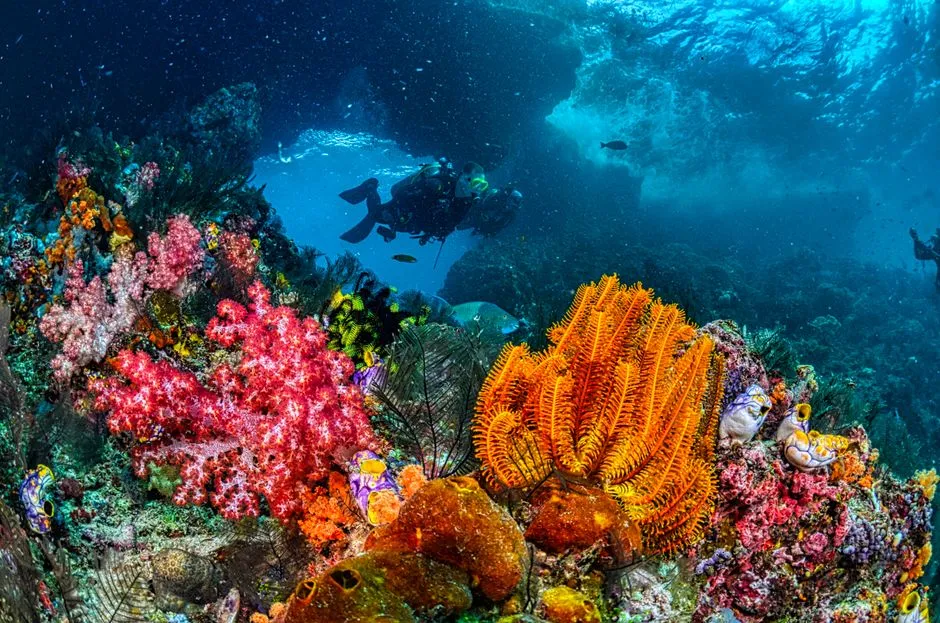
Bali's best diving clusters into three regions, each with a distinct signature. Tulamben and Amed on the northeast coast are calm, shore-entry macro and wreck territory, anchored by the shallow USAT Liberty wreck — ideal for beginners, photographers, and easy dawn dives. Nusa Penida and Nusa Lembongan, the offshore islands reached from Sanur, deliver Bali's headline encounters: reef mantas at Manta Point and oceanic sunfish at Crystal Bay, both on demanding drift dives. Menjangan in the far northwest offers Bali's clearest water and best coral walls in a sheltered marine park.
If you only have a few days, the honest priority order for most divers is: the Liberty wreck (accessible, unique), Manta Point (a reliable big-animal thrill), and Crystal Bay (for the mola mola gamble, in season). Everything below breaks these down by depth, current, skill level, and what you'll actually see, so you can match sites to your certification rather than to a highlight reel.
How Bali's Dive Regions Compare
Bali packs an unusual variety into a small island. You can shore-dive a wreck at breakfast, hunt thumbnail-sized nudibranchs on black sand at lunch, and — with a boat transfer — drift past mantas the next morning. The catch is that these experiences are spread across three coasts with very different conditions and very different demands on your skills.
Here's the region-by-region overview at a glance:
| Region | Signature dives | Entry | Typical current | Best for |
|---|---|---|---|---|
| Tulamben | USAT Liberty wreck, Coral Garden, Drop-Off | Shore | Mild | Beginners, wreck, macro, photography |
| Amed | Japanese Wreck, Jemeluk Bay, pyramids | Shore | Mild to moderate | Relaxed diving, macro, freediving |
| Nusa Penida | Manta Point, Crystal Bay, Toyapakeh | Boat | Strong, variable | Big animals, experienced drift divers |
| Nusa Lembongan | Mangrove Point, Blue Corner | Boat | Moderate to strong | Reefs, mantas via day boat |
| Menjangan | Anchor Wreck, Eel Garden, Pos II | Boat/shore | Mild | Wall diving, clear water, coral |
| Padang Bai | Blue Lagoon, Jetty | Boat/shore | Mild to moderate | Training, macro, day trips |
A quick planning note before the details: Bali diving is genuinely year-round, but conditions shift with the seasons — sunfish peak in the cooler months and manta swell changes through the year. Our season-by-season breakdown covers the timing, and the dive-sites hub collects the individual site guides.
Northeast Bali: Tulamben and Amed
This stretch of coast is where most people fall in love with Bali diving, and where nervous first-timers should probably start. The water is calm, entries are from the beach, and the marquee attraction — a 120-metre WWII shipwreck — sits in shallow, forgiving water.
The USAT Liberty Wreck, Tulamben
The Liberty is one of the most accessible wrecks in the world. It lies parallel to shore on a black-sand slope, running from roughly 5 metres at the shallow end to about 28–30 metres at the bow, so it suits everyone from Open Water students snorkelling the top to deeper-trained divers exploring the stern.
You enter directly off the pebble beach — porters carry tanks to the water — and finning out for a minute or two brings the hull into view, draped in soft coral and gorgonians and patrolled by schooling bumphead parrotfish at dawn. The wreck is a photographer's dream and a genuine macro site: pygmy seahorses, ghost pipefish, and countless nudibranchs live on and around the structure.
Because it's so popular, the wreck gets busy from mid-morning. Serious divers and photographers dive it at first light, when visibility is best and the bumpheads are active. For the full layout, depth profile, and dive-by-dive tips, see our complete Liberty wreck guide.
Skill level: Open Water and up. Currents are usually mild, but the shallow surge near the entry can knock beginners around on a big-swell day.
Amed's Shore Diving
A short drive south, Amed is quieter and more spread out — a string of fishing villages with easy bays and gentle slopes. It's the place to dive slowly. The Japanese Wreck at Banyuning sits in just 6–12 metres and is smothered in coral; Jemeluk Bay offers a coral-covered wall and an underwater temple-style statue installation; and the black-sand slopes are prime muck-diving habitat.
Amed also has Bali's most relaxed pace, calmer conditions than Tulamben on windy days, and a growing freediving scene. It's a strong base if you want unhurried macro and don't need the big-animal drama of the Nusa islands.
The Nusa Islands: Bali's Big-Animal Diving
If Tulamben is the gentle introduction, Nusa Penida is the main event — and the region that demands the most respect. These three islands (Penida, Lembongan, and tiny Ceningan) sit across the Badung Strait southeast of the mainland, where deep, cold, nutrient-rich water funnels through in powerful, shifting currents. That water is exactly why the mantas and sunfish are here, and exactly why the diving is not for everyone.
Most divers reach the Nusa sites on day-trip boats from Sanur (roughly a 30–45 minute crossing) or stay on Lembongan or Penida itself. Either way, the diving is boat-based and current-driven.
Manta Point, Nusa Penida
Manta Point, on Penida's exposed southwest corner, is a cleaning station where reef mantas gather year-round to be groomed by wrasse. Depths are shallow — often 8–15 metres — but the site sits on an open coast with significant surge and swell, and the water is noticeably cooler than the mainland.
Encounters here can be extraordinary: multiple mantas circling within arm's reach (though you should never reach). The trade-off is comfort — the surge rocks you back and forth, visibility is often lower than elsewhere, and the boat ride can be rough. Manta etiquette matters: stay low, hold your position, don't chase, and let the animals come to you. Our Manta Point guide covers the surge, the cleaning-station behaviour, and how to dive it responsibly.
Skill level: Open Water can dive it in calm conditions, but the surge and boat entry make it far more comfortable with Advanced training and good buoyancy.
Crystal Bay and the Mola Mola
Crystal Bay is Bali's most famous — and most conditional — dive. In the cooler months, roughly July through October, cold upwellings can bring the strange, disc-shaped mola mola (oceanic sunfish) up from the depths to be cleaned on the reef. Seeing one is a bucket-list moment for many divers.
But Crystal Bay is where Nusa Penida's currents turn serious. The site is prone to thermoclines that drop water temperature into the low 20s or colder, and — critically — to downcurrents that can pull divers deep quickly. This is an advanced dive that should only be done with an experienced local guide who knows the day's conditions, and only if you're trained and comfortable managing depth and cold. Never chase a sunfish into deep water or against a downcurrent. Our Crystal Bay and mola mola guide explains the thermoclines, the downcurrent risk, and the experience level the site genuinely requires.
Skill level: Advanced Open Water strongly recommended; downcurrents make this unsuitable for new or rusty divers.
Other Nusa Highlights
Beyond the two headliners, the Nusa islands hold excellent reef diving. Toyapakeh and Gamat Bay offer vibrant coral in clearer water; Manta Bay is an alternative, shallower manta site; and Lembongan's Blue Corner is a thrilling but current-heavy drift best left to experienced divers. As a rule, every Nusa site is a drift dive first and a scenic dive second — plan around the current, not the postcard.
Northwest Bali: Menjangan and the West
Far from the crowds, Menjangan Island sits inside West Bali National Park and offers the island's clearest water — often 25–40 metres of visibility — and its best wall diving. Sheer coral walls drop into the blue at sites like Pos II and Eel Garden, and a small Anchor Wreck adds interest in the shallows.
Conditions here are mild, making Menjangan a rare combination: dramatic walls with beginner-friendly currents. The catch is distance — it's a three- to four-hour drive from the south, so it usually means an overnight stay or a dedicated northwest leg. For divers who prioritise coral health, clarity, and calm over big animals, it's the standout choice.
Padang Bai and the South
Between the main hubs sits Padang Bai, a busy ferry port on the southeast coast that doubles as a handy dive base and a common launch point for Nusa Penida day boats. Its sheltered Blue Lagoon and the Jetty are gentle, sandy sites full of macro life — frogfish, seahorses, and juvenile reef fish — which makes them popular for training dives and easy checkout dives. Conditions are usually calm inside the bay, though the currents pick up on the exposed points nearby. Padang Bai won't headline your trip, but it's a genuinely useful, low-stress option for a first dive of the week or a warm-up before crossing to the Nusa islands.
Choosing Sites by Skill Level
The single most important decision in Bali is matching sites to your training and honest comfort level — the currents in the Nusa Strait have caught out over-confident divers. Here's a straightforward guide:
| If you are… | Start with | Approach with care | Best saved for later |
|---|---|---|---|
| New / Open Water | Liberty wreck, Amed bays, Menjangan | Manta Point (calm days only) | Crystal Bay, Blue Corner |
| Advanced, good buoyancy | Most Nusa sites, Toyapakeh | Crystal Bay in season | Blue Corner on big current |
| Experienced drift diver | Crystal Bay, Blue Corner | — | — |
| Photographer / macro-focused | Tulamben, Amed, Seraya | Menjangan walls | — |
Two principles apply everywhere in Bali. First, dive within the limits of your certification and recent experience — a card from three years ago is not the same as being current. Second, let the local operator and guide make the call on the day. Conditions in the Nusa Strait change hour to hour; a reputable, licensed operator will cancel or reroute a dive when the current is wrong, and that judgement is worth more than any site's reputation.
Planning Your Site List
A realistic week of Bali diving usually splits across two bases: a few days in the northeast (Tulamben/Amed) for the wreck and macro, and a few days built around the Nusa islands for mantas and — if the season's right — sunfish. Trying to do everything from one hotel means long transfer days that eat your bottom time.
A few practical pointers:
- Give the northeast at least two days. The Liberty wreck rewards repeat dives, and the macro sites need slow, patient diving.
- Treat Nusa Penida as its own mini-trip. Whether you day-trip from Sanur or stay on the island, the currents mean you want an operator you trust and some flexibility in your schedule.
- Book the sunfish window carefully. Mola mola sightings peak in the cooler months but are never guaranteed — go for the diving first and treat a sunfish as a bonus.
- Choose operators on safety, not price. Ask about group sizes, guide-to-diver ratios, and how they handle Nusa currents before you book.
Diving costs vary widely by operator, region, and whether you buy a package, but budgeting roughly for two-tank day trips, Nusa boat surcharges, and transfers will keep you honest. When you're ready to build the full itinerary — seasons, regions, days, and budget — that's the job of trip planning, and Bali's variety means a little sequencing goes a long way.
The Bottom Line
Bali isn't a single dive destination; it's several stacked into one island. The northeast gives you the world's easiest great wreck and world-class macro. The Nusa islands give you mantas and sunfish at the price of serious currents. The northwest gives you clear water and pristine walls in peace. Pick the region that matches what you want to see and — just as importantly — the diving you're actually trained and current to do. Get certified, dive with reputable licensed local operators, respect the Nusa Strait's currents, and Bali will reward you with some of the most varied diving in Southeast Asia.