Bali Diving for Beginners: 6 Easy Sites and How to Start
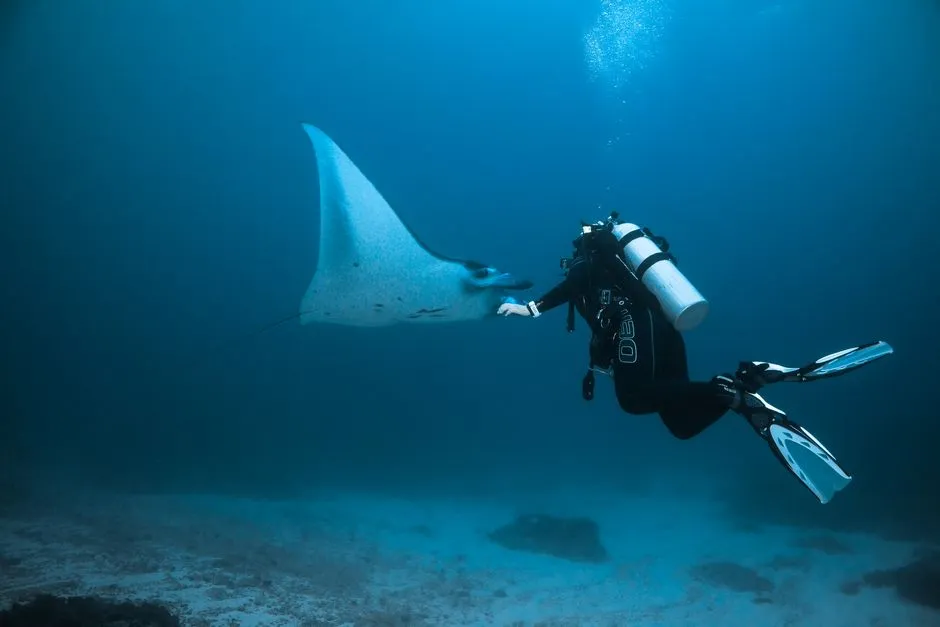
Can Beginners Dive in Bali?
Yes — Bali is one of the easiest and most rewarding places in the world to start diving. The island has calm, shallow shore-entry sites with warm water, good visibility for much of the year, and a mature dive industry used to teaching first-timers. Sites like Tulamben's Coral Garden, Amed's Jemeluk Bay, and Padang Bai's Blue Lagoon sit in protected bays with sandy bottoms and reefs starting at just a few metres — exactly the conditions a new diver needs.
The honest caveat: Bali is not uniformly beginner-friendly. The famous sites around Nusa Penida involve serious currents and are not where you should log your first dives. The trick to a great beginner trip is simply knowing which coast to start on — and that's what this guide is for.
Two ways to dive Bali with no experience:
- Try diving without certification. An introductory dive (often called Discover Scuba Diving or a "try dive") puts you underwater with an instructor after a short briefing and pool or shallow-water practice. No license needed, maximum depth is kept shallow, and an instructor stays with you throughout.
- Get certified here. An entry-level Open Water course takes three to four days and qualifies you to dive to 18 metres with a buddy anywhere in the world. Bali is a popular and affordable place to do it — our full guide to getting your Open Water certification in Bali covers schools, costs, and how to choose.
What Makes a Dive Site Beginner-Friendly?
Before the list, it helps to know what you're actually looking for. A genuinely easy dive site has most of these traits:
- Little to no current. Protected bays and leeward coastlines, not open channels.
- Easy entry and exit. A calm shore entry or a short boat ride with a simple back-roll — no surge-swept rocks.
- Shallow highlights. The best of the site sits between 5 and 18 metres, so you're never tempted beyond entry-level limits.
- Good visibility. You can see your instructor, your buddy, and the reef without straining.
- A forgiving bottom. Sand or gentle slope beneath you, so a wobble in buoyancy doesn't mean crashing into coral.
Every site below scores well on these points. Conditions still vary day to day — swell, rain, and tides all matter — so treat your operator's morning assessment as the final word, not this article.
The 6 Best Dive Sites in Bali for Beginners
1. Coral Garden, Tulamben
The gentlest introduction Bali offers. Coral Garden sits a few minutes' walk along the beach from Tulamben's famous wreck, on a mild slope from roughly 2 to 12 metres. You wade in off the black-sand shore, drop onto scattered coral heads and small artificial-reef structures, and spend the dive surrounded by anemonefish, garden eels, and the occasional resident ribbon eel. Currents are usually minimal, and because it's so shallow, air lasts a long time — great for a relaxed first dive.
2. USAT Liberty Wreck, Tulamben
Yes, beginners can dive one of the most famous wrecks in the world. The USAT Liberty lies just off the beach at Tulamben, with its shallowest sections starting around 5 metres and much of the structure sitting comfortably within Open Water depth limits. It's a shore entry over smooth stones, there's no penetration required — you swim along and over the encrusted hull rather than inside it — and the fish life is extraordinary: bumphead parrotfish at dawn, dense schools of jacks, and coral growth covering nearly every surface. Go early to beat the crowds, and let your guide set a conservative depth plan.
3. Jemeluk Bay, Amed
Amed's home bay is a beginner classic: a sheltered curve of coastline with a coral slope starting almost at the waterline. Entries are from the beach, currents inside the bay are typically gentle, and the reef wall on the bay's eastern side gives newer divers their first taste of "proper" reef scenery without demanding depth. Amed's whole character — quiet, slow, village-scale — suits a learning trip, and it pairs easily with Tulamben just up the coast.
4. Blue Lagoon, Padang Bai
A small, pretty bay near the ferry port of Padang Bai on Bali's east coast. Blue Lagoon is a short boat hop from the beach, with white sand, patch reefs, and depths that suit any level — most of the interest sits shallower than 15 metres. It's known for turning up surprising critters for such an easy site: cuttlefish, moray eels, lionfish, and sometimes a blue-spotted ray on the sand. Conditions can pick up when swell wraps around the point, so operators will time it for calm windows.
5. Menjangan Island, Northwest Bali
Menjangan, inside West Bali National Park, offers something rare: genuine wall diving that beginners can handle. The walls start shallow, the water inside the park is usually calm and clear, and boats moor close to the sites. New divers can cruise along the top of the wall at 10 to 15 metres while deeper sections drop away below — a spectacular sensation with very little of the current you'd normally associate with wall sites. It's a long transfer from Bali's main dive hubs, so most people visit as an overnight or as part of a north-coast loop.
6. Pemuteran Bay, North Bali
Pemuteran's calm, dark-sand bay is home to one of the world's best-known reef-restoration projects, with artificial structures now thick with coral and fish just off the beach. Shore entries are easy, depths are modest, and the bay is protected from most swell. It pairs naturally with Menjangan — many divers base in Pemuteran and do both.
Quick Comparison
| Site | Region | Entry | Typical Depth | Best For |
|---|---|---|---|---|
| Coral Garden | Tulamben | Shore | 2–12 m | Very first dives |
| USAT Liberty Wreck | Tulamben | Shore | 5–18 m+ | A famous wreck at beginner depth |
| Jemeluk Bay | Amed | Shore | 3–15 m | Relaxed reef diving |
| Blue Lagoon | Padang Bai | Short boat | 5–15 m | Critters and easy boat diving |
| Menjangan Island | Northwest | Boat | 10–18 m | Calm wall diving |
| Pemuteran Bay | North | Shore | 3–15 m | Reef restoration up close |
Sites to Save for Later
Some of Bali's biggest names are not beginner sites, and it's worth being clear-eyed about that:
- Nusa Penida (Crystal Bay, Manta Point, the north-coast drifts). The channel between Bali and the Nusa islands funnels strong, unpredictable currents, including downcurrents. These sites reward experience — read our guide to Nusa Penida's currents before you plan anything there, and be honest with operators about your logged dives.
- Candidasa's outer rocks. Current-swept and often cold — thrilling for experienced divers, punishing for new ones.
None of this means "never." It means: build skills on the easy coasts first, then graduate. Plenty of divers do their first dives in Tulamben and return a year later ready for Penida.
How to Start: A Simple Roadmap
If you've never dived at all
- Book a try dive with a reputable operator in Tulamben, Amed, Padang Bai, or Pemuteran. Look for small groups (ideally one instructor to two students in the water) and unhurried briefings.
- See how it feels. Most people are surprised how quickly breathing underwater becomes normal.
- If you loved it, roll into a course. Many schools credit a recent try dive toward the Open Water course.
If you want to get certified in Bali
- Set aside three to four days for the Open Water course — theory, confined-water skills, then four open-water training dives, often at the very sites listed above.
- Choose the school carefully. Instructor quality matters far more than which training agency's logo is on the door — small class sizes, well-maintained rental gear, and unrushed schedules are the things to check.
- Add two fun dives after certifying. Diving the Liberty wreck as a newly minted diver, without course tasks to complete, is the best possible reward.
If you're already certified but rusty
Do a refresher. If it's been more than a year or two since your last dive, a guided refresher session — skills review in shallow water, then an easy dive — takes half a day and transforms the rest of your trip. Tulamben's Coral Garden is the perfect venue for it.
Practical Tips for Your First Bali Dives
- When to come: conditions are generally most settled in the dry season, roughly April through October, though the east-coast beginner sites dive well for much of the year.
- Water temperature: mostly warm — a 3 mm wetsuit is standard. North and east coast sites rarely get the cold thermoclines Nusa Penida is known for.
- Gear: rental equipment is included with most courses and guided dives; you don't need to buy anything to start. Decent mask fit matters more than anything else — take your time in the shop.
- Health basics: don't dive with a cold or blocked ears, stay hydrated, and leave at least 18–24 hours between your last dive and any flight (follow your training agency's and operator's guidance).
- Respect the reef: perfect your buoyancy over sand, keep fins away from coral, and never touch or chase marine life. The animals behave naturally around calm divers — that's when the good encounters happen.
Where to Go From Here
Start on the east coast — Tulamben and Amed give you the highest density of easy, excellent diving anywhere on the island, with the Liberty wreck as a genuine world-class highlight you can enjoy from your very first days underwater. Once you've logged a handful of dives and feel solid on buoyancy, the rest of the island opens up. For the full picture of what's waiting, browse our region-by-region guide to the best dive sites in Bali — and enjoy being at the start of it. Every diver remembers where they did their first dives. Tulamben is a very good answer to that question.