Getting Your Open Water Certification in Bali: Complete Guide
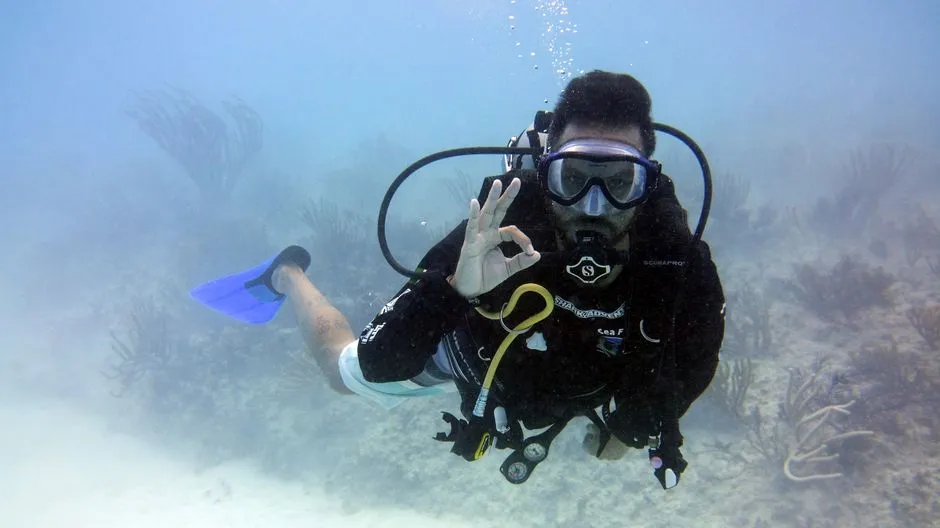
Getting Certified in Bali, in Plain Terms
Getting your Open Water certification in Bali takes three to four days, costs roughly US$350–500, and leaves you with a globally recognized license to dive to 18 metres anywhere in the world. It is one of the most popular places on earth to learn — warm water, forgiving training sites, low prices, and dozens of dive schools within a short drive of each other. That popularity is a double edge: the best schools are genuinely excellent, and the cut-price ones can be genuinely careless. Choosing well matters more than saving US$50.
This guide walks a first-timer through the whole decision: what the course actually involves, where to do it, what it costs, how to spot a reputable school, and what to dive once you have the card in your hand. Nothing here replaces certified instruction — an article cannot teach you to dive. But it can help you show up prepared and pick the right people to learn from.
What "Open Water" Actually Is
The Open Water Diver course is the entry-level scuba certification recognized worldwide. It is not a Bali-specific qualification — the card you earn in Amed is the same one you would earn in Egypt or Mexico, and it never expires. It certifies you to dive without an instructor, with a buddy, to a maximum depth of 18 metres, in conditions similar to those you trained in.
The course has three parts, and reputable schools cover all three properly:
- Theory (knowledge development). Physics and physiology basics — pressure, buoyancy, how to avoid decompression sickness, how to read dive tables or a computer. Most schools now deliver this online before you arrive, which saves a full day on the ground.
- Confined water. Practising core skills in a pool or shallow, calm bay: clearing your mask, recovering a regulator, controlling buoyancy, sharing air with a buddy.
- Open water. Four training dives in the sea where you demonstrate those skills at depth. In Bali these are typically done over two days at calm sites like Padang Bai or the shallow reef beside the Tulamben wreck.
If a school offers to "certify" you in a single day, walk away. That is a Discover Scuba experience — a supervised taster, not a certification — being mis-sold.
PADI, SSI, or Something Else?
The two agencies you will see everywhere in Bali are PADI and SSI. Both are globally recognized, both produce competent divers, and the card from either opens the same doors. The differences are administrative — how materials are delivered, how fees are bundled — not a matter of one being "safer" or "better." For most first-timers the agency matters far less than the individual instructor standing next to you in the water.
| Feature | PADI | SSI |
|---|---|---|
| Global recognition | Universal | Universal |
| Typical Open Water price in Bali | US$380–500 | US$350–470 |
| Learning materials | Paid, standardized | Often free via the app |
| Course structure | Fixed sequence | Slightly more flexible |
| Availability in Bali | Very high | High |
You will also occasionally see RAID and SDI, which are equally legitimate. Whichever agency a school uses, the thing that determines your safety is the quality of instruction, the student-to-instructor ratio, and the care taken on your open-water dives. We compare the two dominant agencies in detail in our guide to PADI vs SSI certification, but if you are undecided, pick the school first and let the agency follow.
What It Costs
Bali is one of the cheaper places in the world to certify, but "cheap" and "good" are not the same thing, and the lowest headline price is often not the real price.
| Item | Typical cost (USD) | Notes |
|---|---|---|
| Open Water course | $350–500 | 3–4 days; the core spend |
| Discover Scuba (taster) | $70–110 | Not a certification |
| Advanced Open Water | $280–400 | 2 days; optional next step |
| Equipment rental | Usually included | Confirm before booking |
| Certification / agency fee | Sometimes extra | Ask if it's bundled |
A fair Open Water price in Bali usually includes materials, all equipment, certification fees, and the four open-water dives. The trap is the operator that advertises US$300 and then adds manual fees, agency processing, and gear rental at the desk. Always ask for the all-in price in writing before you commit. For how the course fits into a wider trip budget, see our full breakdown of what diving in Bali costs.
Prices here are indicative 2025–2026 ranges quoted in US dollars, though you will usually pay in Indonesian rupiah. Expect a 20–30% spread between backpacker schools and premium resort dive centres, and confirm current pricing directly with the operator.
Where to Get Certified in Bali
Bali has several distinct learning hubs, and where you train shapes the experience. All of these are used for Open Water courses because they offer calm, shallow, sheltered water — the opposite of the demanding drift dives the island is also known for.
- Sanur. Convenient, close to the airport, and the launch point for Nusa Penida day trips. Good if you want to combine your course with time in south Bali. Training dives are usually done at nearby calm sites or on a short boat trip.
- Padang Bai. A small port town with sheltered bays (Blue Lagoon, Jetty) that are ideal, gentle training sites. A popular, no-frills place to learn.
- Amed. Quiet, laid-back, black-sand shore diving. Excellent for relaxed courses with easy walk-in entries and good macro life to look at once you have the basics.
- Tulamben. Home of the USAT Liberty wreck. The shallow reef beside the wreck makes a superb open-water training site, and you can graduate straight onto one of Bali's best dives.
Beginners should not learn at Nusa Penida. Its signature sites — Manta Point, Crystal Bay — involve currents and surge that are wrong for a first-timer, and no responsible school runs Open Water training dives there. You can visit Nusa Penida after you certify and gain experience; more on that below.
Learn where you'll want to dive
A neat strategy is to certify in Tulamben or Amed, where your training sites double as genuinely rewarding dives, then use the rest of your trip to build experience on easy reefs before attempting anything more demanding. Once you hold the card, our region-by-region rundown of the best dive sites in Bali helps you match sites to your new, still-limited experience level.
How to Choose a Reputable School
This is the part that actually keeps you safe, and it deserves more attention than the price comparison. A good Bali dive school will welcome every one of these questions; a bad one will get defensive.
- Current agency membership. The school and your specific instructor should be current, active members of a recognized training agency (PADI, SSI, RAID, SDI). You can verify an instructor's status on the agency's website.
- Small student-to-instructor ratios. For Open Water training, look for a maximum of four students per instructor, ideally fewer. Big classes mean less individual attention exactly when you need it most.
- Well-maintained equipment. Serviced regulators, gear that fits, and a dive computer or tables in use on every dive.
- Unhurried pace. A school that lets you repeat a skill until you are comfortable, rather than rushing to hit a schedule, is worth paying more for.
- Recent, independent reviews. Read reviews from the last few months, and look specifically for comments on safety, briefings, and instructor attentiveness — not just "amazing trip!"
- A clear, honest medical questionnaire. Certain conditions (asthma, heart issues, recent surgery, pregnancy) require a doctor's sign-off before you can dive. A school that waves this away is cutting a corner that exists for your safety.
Choose on safety and instructor quality first, price second. The cheapest course is a false economy if it skimps on supervision, and diving is one of those activities where the downside of a careless operator is genuinely serious.
The Course, Day by Day
Every school runs its own schedule, but a typical Bali Open Water course looks roughly like this.
| Day | What happens | Where |
|---|---|---|
| Before you arrive | Online theory and quizzes (eLearning) | Home |
| Day 1 | Final theory review, confined-water skills | Pool or calm bay |
| Day 2 | Two open-water training dives | Calm site (e.g. Padang Bai) |
| Day 3 | Two more open-water dives, final assessment | Calm site |
Doing the theory online before you fly is the single best way to spend more of your holiday underwater and less in a classroom. If you would rather not study on vacation at all, some schools still run the full theory on-site — just budget an extra day.
Health, Safety, and Honest Limits
A few things are worth internalizing before you sign up, because they are non-negotiable parts of learning to dive responsibly.
Complete the medical questionnaire honestly. Diving puts unusual stresses on your body. Conditions like asthma, ear problems, heart conditions, diabetes, or recent surgery may require clearance from a doctor first. This is not bureaucracy — it exists to keep you alive.
Mind the no-fly rule. After diving, you must wait before flying: the common guidance is at least 18 hours after multiple dives, and 24 hours is a safer default. Plan your certification so your last dive is not the day before your flight home. Bali is full of good non-diving things to do on that buffer day.
Dive within your training. An Open Water card certifies you to 18 metres, with a buddy, in conditions like those you trained in. It does not qualify you for deep dives, currents, or overhead environments. Bali's most famous conditions — particularly the drift dives and downcurrents around Nusa Penida — demand experience an Open Water diver simply does not yet have. There is no shame in that; it is how every diver starts.
Get dive insurance. Standard travel insurance often excludes scuba, and Indonesia's recompression facilities and evacuation options are limited and expensive. Dedicated dive cover is cheap relative to the risk. Our guide to dive insurance for Bali explains what to look for and how to arrange it before you travel.
After You Certify: What's Next
Passing your Open Water course is a beginning, not an endpoint. Fresh out of the course you are certified but not yet experienced, and the smartest thing you can do is log more dives on easy, forgiving sites before pushing your limits.
- Build experience gradually. Do a handful of relaxed fun dives at Tulamben, Amed, or Menjangan to consolidate your buoyancy and comfort before attempting anything with current.
- Consider Advanced Open Water. The AOW course extends you to 30 metres and, more usefully, gives you supervised dives in new conditions — including a proper introduction to deeper and drift diving. Many divers do it a few days after Open Water.
- Respect Nusa Penida's timing. Manta Point and Crystal Bay are extraordinary, but they are not beginner dives. Wait until you have logged enough dives, then go with a reputable operator running small groups. Read up on the currents and safety at Nusa Penida before you book.
- Time your trip well. Conditions and marine life shift through the year. If you are planning around your new certification, our season-by-season guide to diving Bali helps you pick the right months.
Quick FAQ Recap
To pull the essentials together: you can go from non-diver to certified Open Water diver in three to four days for US$350–500, at calm sites around Sanur, Padang Bai, Amed, or Tulamben. Choose your school on safety, ratios, and instructor quality rather than the lowest price. Do the theory online to save time, complete the medical form honestly, get dive insurance, and mind the no-fly window before you leave.
Above all, remember that the certification is a license to keep learning, not a license to dive anything. Stay within your training, build experience on easy sites first, and let your instructor and local operator — not an article, and never your ego — make the call on the day. That is how good divers are made, and Bali is a fine place to start.