Diving the USAT Liberty Wreck in Tulamben: Full Site Guide
The USAT Liberty at Tulamben, in Brief
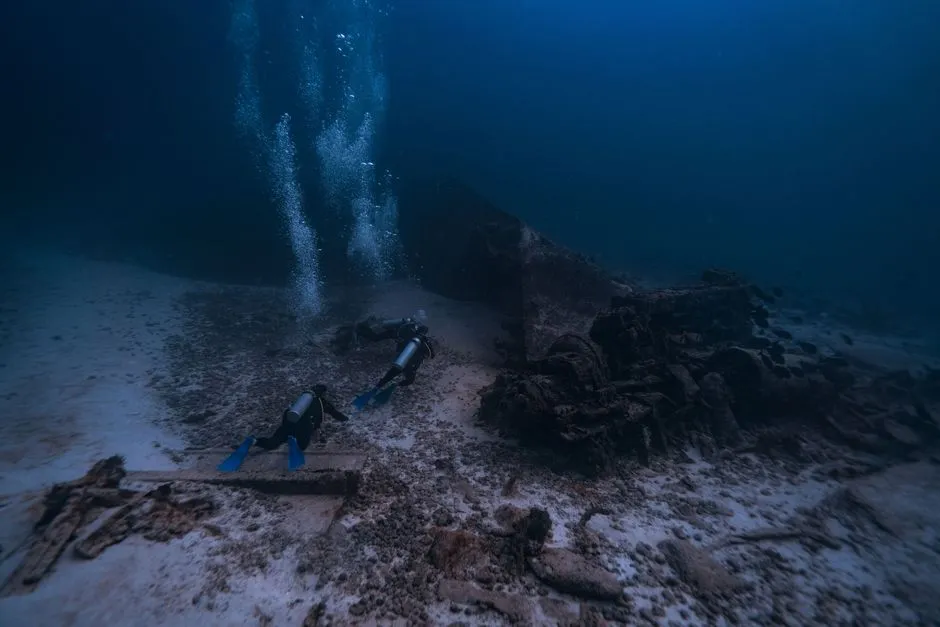
The USAT Liberty is a 120-metre wrecked cargo ship lying on a black-sand slope directly off Tulamben beach in northeast Bali. It sits parallel to the shore in roughly 5 to 30 metres of water, a two-minute swim from the entry point — which makes it one of the very few world-class wreck dives you can reach on foot, no boat required. The shallow depth, easy shore entry, and dense marine life mean beginners and seasoned divers dive the same wreck and both leave happy. Snorkelers can even see the upper hull.
That combination — accessible, shallow, alive — is why Tulamben is on almost every Bali dive itinerary. Here is exactly what the site involves, when to dive it, and how to plan around the crowds.
What the Liberty Wreck Actually Is
The Liberty was a US Army cargo ship, torpedoed by a Japanese submarine in the Lombok Strait in January 1942. It was beached at Tulamben so its cargo could be salvaged and sat rusting on the shoreline for two decades. Then, in 1963, the eruption of nearby Mount Agung shifted the hull off the beach and down the slope into the sea, where it broke apart and settled roughly parallel to shore.
Six decades underwater have turned the steel into a reef. The wreck is heavily encrusted with hard and soft coral, gorgonian fans, and sponges, and it holds one of the densest fish populations of any single site in Bali. The structure is broken into sections rather than sitting intact, so you swim over, alongside, and through a jumbled corridor of hull plates, ribs, and cargo holds rather than one clean silhouette.
Depth and Layout
The wreck lies on a slope, so depth depends entirely on which part you are on:
| Section | Approx. depth | Notes |
|---|---|---|
| Top of the hull / bow area | 5–8 m | Shallowest point; great for snorkelers and safety stops |
| Mid-section, deck, cargo holds | 12–18 m | The heart of the dive; most swim-throughs and coral |
| Stern and deeper debris | 25–30 m | Deepest point; larger fish schools gather here |
Because the shallowest structure starts around 5 metres, you can spend a long, relaxed dive on the wreck without ever going deep — and log your safety stop right on top of the coral. Newer divers stay in the 5–15 m band; more experienced divers drop to the stern first, then work shallow as they off-gas.
Entry, Conditions, and What to Expect
The Shore Entry
Entry is from a steep beach of black volcanic pebbles, not sand. This is the one genuinely awkward part of the dive. The stones are round and roll underfoot, and there is often light shore surge. The standard technique is to walk backwards into the water in your fins with a buddy, or to carry your fins and don them once you are chest-deep. Most Tulamben dive centres employ local porters — frequently women who carry full sets of tanks and gear on their heads across the stones — so you usually walk in with just your own kit on.
Once you are past the shore break, you descend and the wreck appears within a couple of minutes' swim. Some operators run a short surface swim; others descend and go along the bottom.
Visibility and Current
- Visibility is typically 10 to 25 metres, often excellent, though it drops after heavy rain or in the afternoon when more divers stir up the bottom.
- Current is usually mild to moderate. The Liberty is not a demanding drift dive like the sites around Nusa Penida, which is a big part of why it suits beginners. Conditions can pick up, so always follow the day's briefing.
- Water temperature runs roughly 26–29°C most of the year, with occasional cooler patches. A 3mm wetsuit is comfortable for most divers; some prefer 5mm.
Marine Life on the Wreck
The Liberty is genuinely one of Bali's best all-round sites for life, blending reef fish, schooling action, and macro critters on a single dive.
Common sightings include:
- Big schools of bigeye trevally and jackfish that ball up over the wreck, plus barracuda
- A resident school of bumphead parrotfish — often seen at dawn near the wreck
- Reef fish in volume: sweetlips, groupers, batfish, unicornfish, angelfish, anthias
- Turtles cruising the structure
- Blacktip and whitetip reef sharks on occasion (mostly harmless and shy)
- Excellent macro life: nudibranchs, ghost pipefish, pygmy seahorses on the fans, and the striking mimic and coconut octopuses on the surrounding sand
The black sand around the wreck is prime macro terrain in its own right. If you like tiny, weird critters, pair the Liberty with the muck sites nearby — our muck diving in Bali guide covers the best of the region's black-sand slopes.
When to Dive the Liberty: Timing Beats Everything
Tulamben's worst enemy is not conditions — it is crowds. On a busy dry-season day, dozens of divers from day-trip groups descend on the wreck between mid-morning and early afternoon. The single biggest thing you can do to improve your dive is go early or go late.
| Time slot | What to expect |
|---|---|
| Dawn (~06:00–07:30) | Best visibility, bumphead parrotfish active, near-empty wreck. The premium slot. |
| Mid-morning (09:00–11:00) | Day-trip crowds arrive; can get very busy |
| Early afternoon | Peak crowding and stirred-up viz on busy days |
| Late afternoon / sunset | Crowds thin out again; good light and calmer water |
| Night dive | Completely different site — Spanish dancers, crustaceans, hunting behaviour |
Staying in Tulamben overnight is the key to the dawn dive. Day-trippers coming from south Bali or the Nusa islands simply cannot get there before the crowds. If seeing the bumpheads glide over an empty wreck matters to you, base yourself in the village — our guide to where to stay in Tulamben breaks down how to pick a base within walking distance of the entry.
Season
Tulamben is diveable year-round. The dry season (roughly April to November) generally brings the calmest, clearest water. The wet season can still deliver excellent dives, but heavy rain can reduce visibility and occasionally makes the shore entry rougher. For the full picture across all of Bali's sites and animals, see our best dive sites in Bali overview.
Is the Liberty Good for Beginners?
Yes — with sensible framing. The shallow depth, minimal current, and shore entry make it one of the most beginner-friendly world-class wrecks anywhere. Newly certified Open Water divers regularly dive the Liberty, and many divers do their first-ever wreck dive here.
Two honest caveats:
- The pebble shore entry genuinely trips people up. Take it slowly, use the porters and guides, and do not rush.
- Penetration (swimming inside enclosed sections of the wreck) is a different matter. The broken structure has swim-throughs, but true overhead penetration requires proper wreck training, and the interior can be silty and disorienting. Stay in the open, well-lit sections unless you hold a wreck-diving qualification and are with a guide who knows the site. Dive within the limits of your certification, and let your instructor or dive centre make the call on the day.
Cost and Logistics
Prices vary by operator, season, and whether you book a package or à la carte, but realistic ranges for shore dives at Tulamben look roughly like this:
| Item | Typical range (USD) | Notes |
|---|---|---|
| Guided fun dive (per dive) | $35–$55 | Often cheaper in multi-dive packages |
| Full-gear rental (per day) | $15–$30 | Many packages include gear |
| Local porter | A few dollars / tip | Standard and worth it for the entry |
| Night dive supplement | $10–$25 | Torch usually included |
Treat these as ballpark figures — always confirm current pricing directly with the operator. Booking two or three dives in a day almost always lowers the per-dive cost, and staying in Tulamben lets you fit a dawn dive, a mid-day dive, and a night dive without any transfer time.
A few practical logistics:
- Tulamben is about a 2.5–3 hour drive from south Bali (Kuta/Seminyak/Sanur) and roughly the same from the airport. It is a long day-trip; an overnight stay is far more relaxed.
- The Liberty is not the only site in town. Coral Garden, the Drop-Off, and various muck sites are all within a short walk or drive, so a two-night stay easily fills three or four dives.
- Choose a reputable, licensed local dive centre. Tulamben has many good operators; look for small group sizes, proper briefings, and guides who know the wreck's layout and the best times to beat the crowds.
A Sensible Dive Plan for the Liberty
Because the wreck spans such a wide depth range, a little planning turns one good dive into two great ones. A common and comfortable approach looks like this:
- Dive 1 (dawn): Descend and swim to the deeper stern section first while you are fresh and have the most no-decompression time, then work your way shallow along the hull, finishing with a long, slow cruise over the coral-covered top at 5–8 metres. This "deep first, shallow later" profile is standard conservative practice and gives you a relaxed safety stop right on the reef.
- Dive 2 (later morning or afternoon): Slow down and go looking for macro on the sand and structure — nudibranchs, pipefish, and octopus reward divers who stop moving and look closely. Good buoyancy is the whole game here; every fin-kick into the bottom cuts visibility for the divers behind you.
- Optional night dive: The same wreck transforms after dark, with hunting fish, crustaceans out on the sand, and the chance of a Spanish dancer. Go with a guide who knows the layout.
Keep an eye on your air, your depth, and your surface intervals as always, and let your dive centre set the day's plan around conditions and how busy the site is.
Beating the Crowds Without Losing the Dive
If a dawn start is not possible, you still have options. Ask your operator to run the wreck from the far (stern) end while the crowds cluster at the more famous mid-section, or dive a neighbouring site like Coral Garden first and hit the Liberty as the day-trip boats and vans are leaving in the early afternoon. A good local guide reads the daily rhythm of the beach and routes you around the traffic — another reason to choose an operator who dives here every day rather than a group passing through.
The Bottom Line
The USAT Liberty earns its reputation. Few sites let a first-time wreck diver and a veteran photographer share the same shallow, coral-blanketed hull, reached by a two-minute swim from the beach. Dive it at dawn from a Tulamben base, respect the pebble entry, stay out of enclosed sections unless you are trained for them, and you will understand why this ship is the anchor of East Bali's dive scene.