Muck Diving in Bali: Best Sites for Macro and Critters
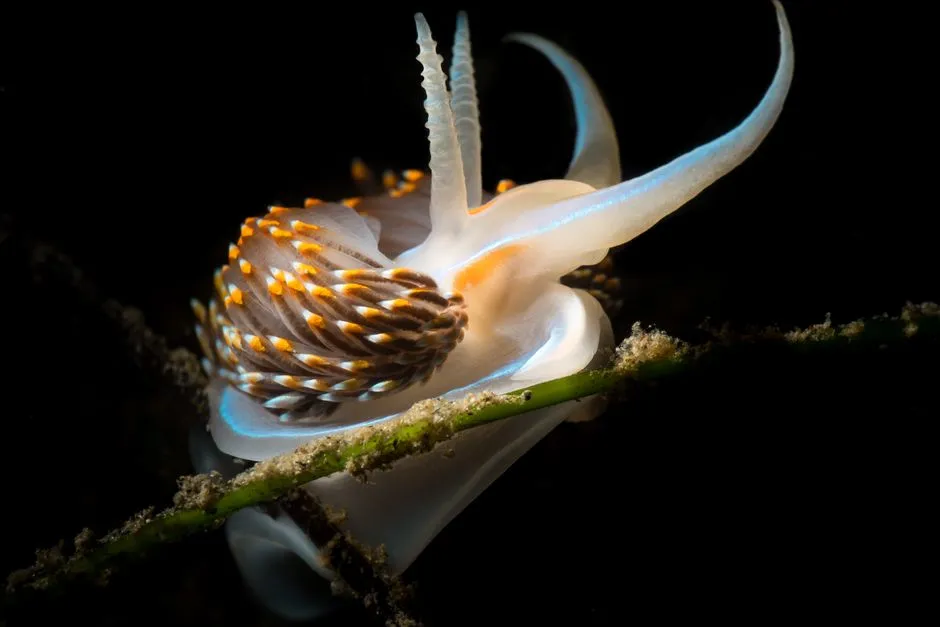
Muck Diving in Bali: Where the Small Stuff Steals the Show
Muck diving means diving slowly over black volcanic sand, silty slopes, and rubble to find the small, strange, and superbly camouflaged animals that reef divers usually swim straight past — frogfish, ghost pipefish, nudibranchs, and octopus that mimic other species. Bali is one of the best places on Earth to do it, and the epicentre is the northeast coast around Tulamben and Amed, where the same black-sand geology that built the island's volcanoes now hosts a macro paradise a few fin-kicks from shore.
If you have only dived reefs, muck diving can look like an empty parking lot on your first descent. Then your guide points at a "clump of algae," it blinks, and you realise you have been staring at a hairy frogfish. That shift — from scanning wide to hunting close — is the whole sport.
What muck diving actually is
The term comes from the substrate: dark, nutrient-rich sediment instead of hard coral. That environment is poor cover, so the creatures that live there survive by disguise and mimicry rather than by hiding in coral. For divers, three things follow:
- You go slow and shallow. Most macro life sits between 5 and 20 metres, so dives are long and relaxed, and often better on air than reef dives that push depth.
- Buoyancy is everything. One careless fin-kick clouds the water and buries the critter. Muck sites reward the disciplined more than any other kind of diving.
- A good guide changes everything. Spotting a 2 cm pygmy seahorse or a translucent ghost pipefish is a trained skill. The best macro guides in Tulamben have logged thousands of dives on the same slopes and know where individual animals live week to week.
Muck diving overlaps heavily with macro photography, and many divers come to Bali specifically to shoot it. You do not need a camera to enjoy it, but a slow, patient temperament helps far more than any gear.
Why Bali is a world-class macro destination
Bali sits on the edge of the Coral Triangle, the most biodiverse marine region on the planet. The northeast coast combines that biodiversity with black volcanic sand, easy shore access, and calm, sheltered water for much of the year. You can shore-dive a first-rate muck site straight off the beach, surface for coffee, and be back in the water twenty minutes later.
Compared with other famous muck destinations, Bali is unusually accessible and affordable. Lembeh Strait in North Sulawesi is the sport's spiritual home and edges Bali on sheer critter density, but reaching it costs more time and money. For many divers, Bali delivers 80% of the experience with a fraction of the logistics — and pairs it with the USAT Liberty wreck and Nusa Penida's big animals in one trip.
The best muck and macro sites in Bali
Most of Bali's macro diving clusters in the northeast, with two standout outliers in the northwest. Here is how the main sites compare.
| Site | Area | Typical depth | Access | Known for |
|---|---|---|---|---|
| Seraya Secrets | Tulamben | 5–18 m | Shore | Harlequin shrimp, frogfish, nudibranchs, cleaner shrimp |
| Melasti / Batu Kelebit | Tulamben | 8–25 m | Shore/boat | Ghost pipefish, seahorses, mandarinfish |
| Liberty wreck sand slope | Tulamben | 5–25 m | Shore | Ribbon eels, garden eels, macro on the wreck edges |
| Jemeluk Bay | Amed | 5–15 m | Shore | Nudibranchs, coral-garden macro, easy conditions |
| Ghost Bay (Bunutan) | Amed | 8–20 m | Shore/boat | Wonderpus, mimic octopus, rhinopias (rare) |
| Secret Bay (Gilimanuk) | Northwest | 3–12 m | Shore | Frogfish, mandarinfish, cold-water oddities |
| Puri Jati (Seririt) | North | 5–15 m | Shore | Mimic and mototi octopus, seahorses, flamboyant cuttlefish |
Seraya Secrets, Tulamben
This is the site most people mean when they say "muck diving in Bali." A gentle black-sand slope dotted with coral bommies and sponges, Seraya reliably produces harlequin shrimp, several frogfish species, ornate and robust ghost pipefish, and a rotating cast of nudibranchs. It is shallow, current-free most days, and ideal for long, camera-heavy dives. Beginners can dive it comfortably; macro obsessives lose whole mornings here.
Amed: Jemeluk and Ghost Bay
Amed's bays trade Tulamben's density for calm, quiet, uncrowded diving. Jemeluk is an easy coral-garden-plus-sand mix that's forgiving for newer divers, while Ghost Bay (Bunutan) is the more serious macro site, occasionally turning up wonderpus, mimic octopus, and — for the lucky — rhinopias. If you are weighing where to base yourself, our Amed vs Tulamben comparison breaks down the trade-offs in detail.
Secret Bay and Puri Jati, northwest Bali
The northwest sites are for dedicated critter hunters. Secret Bay (Gilimanuk) is famous, and infamous: the water is noticeably colder (a 5 mm suit or more is wise) and the visibility can be soupy, but it holds oddities you rarely see elsewhere. Puri Jati near Seririt is a flat, featureless-looking sand plain that quietly delivers mimic octopus, seahorses, and flamboyant cuttlefish. Neither is a casual stop — they usually mean a dedicated trip or a longer transfer — but both reward the effort.
The critters: what you can realistically see
Bali's macro cast is deep. Some animals are near-daily sightings on the right site; others are trophy finds that even veteran guides go weeks without. Setting expectations honestly matters — no operator can promise a specific animal.
| Critter | How common | Best sites |
|---|---|---|
| Nudibranchs (many species) | Very common | Everywhere; Seraya, Jemeluk |
| Frogfish (hairy, painted, giant) | Common | Seraya, Secret Bay |
| Ghost pipefish (ornate, robust) | Seasonal, common in season | Melasti, Seraya |
| Harlequin shrimp | Reliable at known spots | Seraya Secrets |
| Mandarinfish | Common at dusk | Melasti, Secret Bay |
| Mimic & wonderpus octopus | Uncommon | Ghost Bay, Puri Jati |
| Pygmy seahorse | Uncommon, needs a guide | Sea fans off Tulamben/Amed |
| Rhinopias | Rare, prized | Ghost Bay, seasonal |
| Blue-ringed octopus | Occasional | Sand slopes; observe, never touch |
A few honest caveats. Nudibranchs are the bread and butter — you will see them on every dive, in bewildering variety. Frogfish and ghost pipefish are reliable but move around, which is where guide knowledge earns its keep. Rhinopias, blue-ringed octopus, and rare octopus are genuine highlights that depend on luck and season; treat any sighting as a bonus, not a plan.
Mandarinfish and the dusk dive
Mandarinfish put on a brief mating display at dusk, rising out of rubble in the last light of day. Several Bali sites — Melasti and Secret Bay among them — offer reliable mandarinfish dusk dives. They demand patience and stillness: settle near the rubble before sunset, stay low, and let the fish come up. This is often a diver's first taste of how much muck diving rewards slowing down.
How to dive muck well
The skills that make muck diving productive are the same ones that make you a safer, lower-impact diver everywhere.
- Master neutral buoyancy first. If you are silting the bottom, you are missing critters and damaging the habitat. Newer divers should log a few reef dives before a serious macro day. If you are still getting certified, our Courses & Safety guides cover where and how to build those fundamentals.
- Slow down — then slow down again. A good muck dive might cover 30 metres of sand in 50 minutes. Speed is the enemy of spotting.
- Trust your guide, and point. Learn the local hand signals for "frogfish," "octopus," "nudibranch." A carrier reef hook or a pointer stick (used on sand, never on living coral) helps you hold position in light current without touching anything.
- Look, don't touch. Never handle animals to reposition them for a photo. Blue-ringed octopus are venomous, and stressed critters abandon good spots — which ruins the site for everyone behind you.
- Carry a torch even by day. A focus light reveals colour and helps pick camouflaged shapes out of the sand.
Gear notes
Muck slopes are gentle, so most sites suit any certification level, but a pointer, a torch, and good thermal protection matter more than usual. Northeast Bali is warm (roughly 27–29°C much of the year), but the northwest muck sites and deeper Nusa water run colder, and long, slow, shallow dives leave you cooler than a short reef dive would. A 3 mm suit covers most of the northeast; bring 5 mm if Secret Bay is on the list.
When to go
Bali's macro diving runs year-round, and muck sites are among the most weather-resilient in the region because they are shallow and sheltered. That said:
- Dry season (April–October) brings the best visibility and calmest surface conditions across the northeast.
- Wet season (November–March) can cut visibility on some sites, but muck diving stays productive — reduced viz barely matters when you are 30 cm from a frogfish, and some critters (ghost pipefish, certain nudibranchs) peak in these months.
- Ghost pipefish and seasonal species cluster at particular times of year, so if a specific animal is your goal, ask operators about recent sightings before you book.
Because muck diving pairs so well with everything else Bali offers underwater, most divers fold a day or two of macro into a broader itinerary. For the full regional picture — Tulamben, the Nusa islands, and beyond — see our complete guide to Bali's best dive sites.
Choosing an operator
Guide quality is the single biggest variable in muck diving, far more than in wreck or reef diving. Look for:
- Small groups. Two to four divers per guide means the guide can actually find and share critters. Big groups on a muck site are a bad sign.
- Local, experienced macro guides. Ask how long the guides have worked the specific sites. The best have years on the same slopes.
- A conservation-minded briefing. Reputable operators brief on buoyancy, no-touch etiquette, and staying off the substrate. If nobody mentions it, dive elsewhere.
- Reasonable, transparent pricing. Fun dives in the Tulamben/Amed area typically run in the region of USD 30–45 per dive, less in multi-dive packages, with private macro guiding costing more. Prices vary by operator, season, and whether transfers and gear are included, so confirm what's bundled.
As always, follow your certified guide's briefing, dive within the limits of your training, and let local knowledge on the day override anything you have read — including this. Muck diving is one of the gentlest, safest, and most quietly addictive things you can do underwater in Bali. Give it one slow dive, and the small stuff tends to hook you for good.