Night Diving Bali: Best Sites and What You'll Actually See
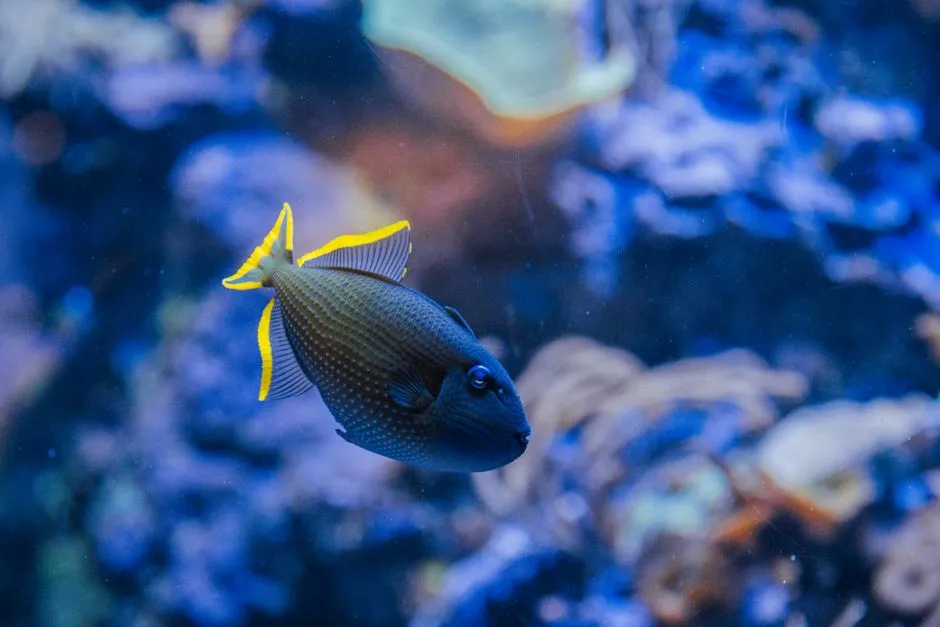
Is Night Diving in Bali Worth It?
Yes — night diving in Bali is one of the easiest and most rewarding ways to see a completely different reef. The best night dives are calm, shallow shore entries in Tulamben, Amed, and Padang Bai, where the black-sand slopes and the USAT Liberty wreck come alive after dark with hunting morays, Spanish dancer nudibranchs, bobtail squid, sleeping parrotfish, and crustaceans you will almost never spot in daylight. Most sites sit in protected bays with little current, so a first night dive here is genuinely beginner-friendly.
That's the short answer. The longer answer — which sites to pick, what actually comes out at night, and how a Bali night dive runs in practice — is below.
Why Bali Is an Unusually Good Place to Night Dive
Night diving intimidates a lot of divers, and Bali removes most of the reasons why.
- Shore entries, not boats. The classic night-dive sites in Tulamben and Amed are walk-in, walk-out beach entries. No jumping off a boat into black water — you wade in over sand and descend gradually.
- Shallow, sheltered profiles. Most of the action happens between 5 and 18 metres in bays that are protected from swell on typical evenings. You spend the dive slow and shallow, which means long bottom times and relaxed air consumption.
- Warm water. Bali's water generally sits in the high 20s Celsius at these sites, so an hour-long night dive in a 3mm suit is comfortable for most people.
- Critter density. The same black-sand slopes that make Bali famous for muck diving and macro life are exactly the habitats that switch on at night. Nocturnal hunters that hide by day come out to work the sand.
The reef you see at night is not the day reef with the lights off. Corals extend their polyps to feed, day-active fish tuck into crevices and sleep, and a whole second shift of animals — cephalopods, crustaceans, hunting eels — takes over. Diving the same site by day and again by night is like visiting two different dive sites for the price of one location.
The Best Night Diving Sites in Bali
Tulamben: The USAT Liberty Wreck
A night dive on the Liberty is the headline night dive in Bali, and it deserves the reputation. The USAT Liberty wreck sits just off the beach, starting only a few metres down, so the entry and navigation are as simple as wreck diving gets.
After dark the wreck transforms:
- Flashlight fish shelter in the dark recesses of the structure — switch your torch off, let your eyes adjust, and you can watch their blinking bioluminescent light organs, one of the few places divers reliably see this.
- Bumphead parrotfish sleep in and around the wreck at night. Finding one of these massive fish dozing in a cargo hold is a highlight, but give them space — waking a sleeping fish stresses it for no good reason.
- Hunting behaviour everywhere: moray eels free-swimming across the structure, lionfish using your torch beam to ambush prey (more on the ethics of that below), and crabs and shrimp covering surfaces that looked bare at noon.
Because the wreck is Bali's most popular site, night dives here are best either early evening or on quieter days — your guide will know the rhythm.
Tulamben: Coral Garden and Seraya's Slopes
You don't need the wreck to have a superb Tulamben night dive. The Coral Garden area and the black-sand slopes toward Seraya are shallow, easy, and dense with nocturnal macro life: Spanish dancers, sleeping filefish, decorator crabs, boxer crabs, and free-swimming morays. If your goal is critters rather than atmosphere, many guides will steer you here over the wreck — and they're usually right.
Amed: Jemeluk Bay
Amed's Jemeluk Bay is a calm, sheltered amphitheatre that works beautifully at night. Expect cuttlefish, octopus, shrimp-covered anemones, and sleeping reef fish over a mix of coral heads and sand. Amed generally runs quieter than Tulamben after dark, which suits divers who want an unhurried dive without other groups' torch beams in the background. If you're weighing the two towns as a base, our Amed vs Tulamben comparison covers the trade-offs in detail.
Padang Bai: Blue Lagoon
Blue Lagoon is a small, pretty bay by day and a genuinely good critter dive by night — stargazers buried to the eyeballs in sand, moray eels out hunting, and a strong record for unusual finds. Padang Bai is convenient if you're based in south or east Bali, though conditions vary more here than in Tulamben, so operators make the call on the evening.
Site Comparison at a Glance
| Site | Entry | Typical depth | Best for | Experience level |
|---|---|---|---|---|
| Liberty Wreck, Tulamben | Shore | 5–18 m | Flashlight fish, sleeping bumpheads, atmosphere | Open Water and up |
| Coral Garden / Seraya | Shore | 3–15 m | Macro critters, nudibranchs, crustaceans | Open Water and up |
| Jemeluk Bay, Amed | Shore | 5–15 m | Cephalopods, quiet relaxed dives | Open Water and up |
| Blue Lagoon, Padang Bai | Shore or short boat | 5–18 m | Stargazers, unusual critters | Open Water and up |
Every site on this list can be dived by a comfortable Open Water diver in good conditions, but night diving adds task load — buoyancy, torch handling, buddy awareness. If your buoyancy is still a work in progress, say so; a good guide will keep the dive shallow and simple.
What You'll Actually See on a Bali Night Dive
Honest expectations matter more at night than on any other dive, so here's the realistic list.
Very likely on most night dives:
- Free-swimming and hunting moray eels
- Crustaceans in abundance — hermit crabs, decorator crabs, hingebeak shrimp, squat lobsters
- Sleeping parrotfish and other reef fish wedged into crevices, some in mucus cocoons
- Basket stars unfurled and feeding, plus urchins and brittle stars on the move
- Coral polyps extended and feeding — reefs literally look fluffier at night
Good chances, site-dependent:
- Spanish dancer nudibranchs, often with commensal shrimp aboard
- Bobtail squid, cuttlefish, and octopus hunting over sand
- Stargazers ambush-buried in the sand (Padang Bai and the Tulamben slopes are strongest for these)
- Flashlight fish — reliably around the Liberty wreck's dark interior spaces
Occasional, never promised: blue-ringed octopus, wonderpus and other special muck finds. They exist here, but no honest operator guarantees them on a given night.
One behaviour note: lionfish quickly learn to hunt in torch beams, using your light to pin small fish. Most conservation-minded guides in Bali ask you not to hold your beam on prey animals, and to keep light off sleeping fish and away from animals' eyes. Follow that briefing — it's the night-diving equivalent of not touching the reef.
Fluorescence (Fluo) Night Diving
Several operators in Tulamben and Amed offer fluorescence night dives — often called fluo or UV dives. You dive with a blue light and a yellow barrier filter over your mask, which makes fluorescent proteins in certain corals, anemones, and fish glow in vivid greens, oranges, and reds against a black background.
Worth knowing before you book:
- It's a different experience, not a better one. You see less of the reef overall but what fluoresces is spectacular — hard corals and anemones especially.
- It works best on a site with healthy hard coral in the shallows, which is why Tulamben's Coral Garden area is a common choice.
- Do a standard night dive first if you're new to diving after dark. Fluo adds a filter over your mask and a narrower effective beam, which is easier to enjoy once basic night-dive skills feel automatic.
How a Night Dive in Bali Actually Runs
The format is consistent across most operators:
- Timing. Dives typically begin around sunset or shortly after — an early-evening start means a warm surface interval and dinner at a normal hour.
- Briefing. Expect torch signals (a slow circle for "OK," side-to-side for attention), a simple navigation plan, and light-etiquette rules.
- Gear. The operator provides a primary torch; carrying a backup light is standard good practice, and many shops include or rent one.
- The dive itself. Slow, shallow, and typically 45–60 minutes. Night dives cover far less ground than day dives — the point is to move slowly and look closely.
Prerequisites are modest: an Open Water certification is generally enough for guided night dives at these sheltered sites, and a night dive can often count as an Adventure Dive toward an Advanced Open Water course if you want the training credit. As always, the operator on the evening — reading tide, swell, and your comfort level — makes the final call, not an article.
Where Night Diving Fits in a Bali Trip
If you're building an itinerary around Bali's best dive sites, night dives slot in most naturally during a Tulamben or Amed stay, where the sites are minutes from your room and the entries are easy. A sensible pattern for a dive-focused stay: day dives in the morning, a long surface interval, then a night dive around sunset every second evening.
Two practical cautions to close on. First, respect your no-fly interval — a night dive the evening before an early flight is a bad trade. Second, don't stack a night dive onto a day of deep or repetitive diving without checking your computer and your guide's advice; the dive may be shallow, but it still counts.
Do one night dive in Tulamben and there's a good chance you'll rearrange the rest of the trip to fit in more. The reef after dark is that different — and in Bali, it's rarely more than a short walk from the beach.