Mola Mola in Bali: When and Where to See the Sunfish
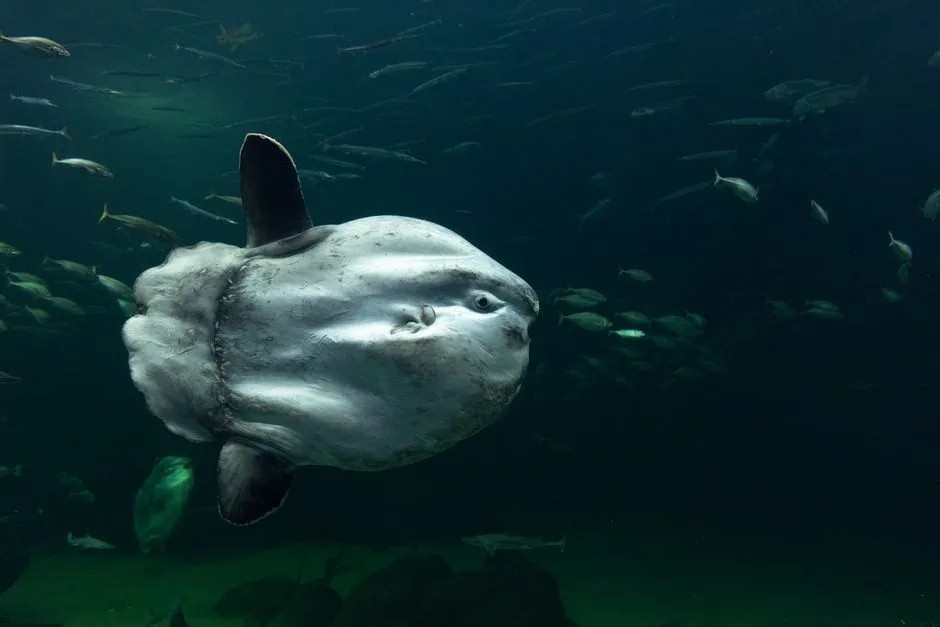
When and Where to See Mola Mola in Bali
The mola mola — the giant ocean sunfish that divers travel across the world to meet — has a clear season in Bali. Your best odds run from July through October, peaking in August and September, and almost all reliable sightings happen around Nusa Penida and Nusa Lembongan, not the mainland. The single most productive site is Crystal Bay. If you want to build a trip around this animal, those two facts do most of the planning for you.
The sunfish you see in Bali is technically the bump-head sunfish, Mola alexandrini — a slab-sided, disc-shaped fish that can exceed 3 metres from fin tip to fin tip and weigh well over a tonne. It normally lives deep and cold, hundreds of metres down. What makes Bali special is a seasonal window when that cold water rises close enough to reef depth that molas follow it up to visit cleaning stations, putting them briefly within reach of divers.
The Mola Mola Season Month by Month
Sunfish are not on a calendar; they respond to water temperature. The season is driven by cold, nutrient-rich upwelling that pushes deep water toward the surface around the Nusa islands, mostly during the dry season. When the thermocline sits shallow and the water turns cold, molas rise. When it doesn't, they stay deep and sightings dry up.
| Period | Sunfish odds | What's happening |
|---|---|---|
| Jan–May | Low | Warm water, wet-season conditions; molas stay deep |
| June | Building | Early cold pulses begin; occasional sightings |
| July–Oct | Best | Reliable cold upwelling; peak Aug–Sep |
| November | Tapering | Sightings continue but become less predictable |
| December | Low | Season effectively over |
Even in peak season there are no guarantees. A good week might produce sightings on most dives; a slow week can pass with none, especially if a warm spell pushes the thermocline back down. Plan several diving days rather than pinning your hopes on a single dive. For how this window fits the wider diving calendar, see our season-by-season breakdown.
Why Cold Water Is the Trigger
The tell-tale sign of mola conditions is temperature. When you drop through a sharp thermocline and the water plunges from a balmy 27–28°C at the surface to 18–22°C at depth — sometimes as low as 16°C — you are in sunfish territory. That cold layer is what molas ride up to feed and get cleaned. Many divers report the strongest encounters on the coldest, greenest, least "tropical-looking" dives of their trip. Bring more thermal protection than Bali's warm reputation suggests: a 5mm wetsuit, a hood, and gloves are not overkill during mola season.
Where to See Mola Mola in Bali
Every dependable mola site sits around Nusa Penida and Nusa Lembongan, the islands off Bali's southeast coast. These are current-swept sites reached by boat, and several demand real experience. Here is how the main spots compare.
| Site | Island | Typical depth | Level | Notes |
|---|---|---|---|---|
| Crystal Bay | Nusa Penida | 15–30 m | Advanced | The classic mola site; famous cleaning stations, possible downcurrents |
| Blue Corner | Nusa Lembongan | 15–30 m+ | Advanced+ | High-voltage current dive; strong sightings but demanding |
| Toyapakeh | Nusa Penida | 10–30 m | Intermediate+ | Drift along a coral wall; molas pass through |
| Gamat Bay | Nusa Penida | 10–25 m | Intermediate+ | Small bay with cleaning activity; can surge |
| Manta Point | Nusa Penida | 5–20 m | Intermediate | Better known for mantas but sunfish appear in season |
Crystal Bay: Your Best Single Shot
If you dive only one site for molas, make it Crystal Bay. Its sheltered bay holds cleaning stations where bannerfish and other reef fish service visiting sunfish, and the topography brings cold water up predictably during the season. The trade-off is that Crystal Bay can produce sudden, powerful downcurrents that pull divers deep — one of the genuine hazards of Nusa Penida diving. This is an advanced dive that rewards good buoyancy, a watchful eye on your computer, and a briefing you actually follow. Our full Crystal Bay dive guide covers the site's layout, thermoclines, and how operators manage the conditions.
How Molas Behave at Cleaning Stations
Understanding the animal improves both your odds and your etiquette. Molas rise to reef depth mainly to be cleaned — reef fish pick parasites from their skin while the sunfish hangs almost motionless, often tilted on its side. That's your window. A mola that feels crowded or chased will simply tip its huge fins and glide back into the deep, ending the encounter for everyone.
Responsible viewing is also better viewing:
- Keep your distance — stay at least 3–5 metres back and let the fish decide how close it gets.
- Stay low and calm. Approaching from above or directly head-on spooks them; hover quietly near the reef.
- No flash photography and no touching, ever.
- Never block the cleaning station or position yourself between the mola and open water.
- Follow your guide's line. On a drift you move with the current as a group, not off on your own.
What a Mola Dive Actually Feels Like
Set your expectations correctly and the day is far more rewarding. A typical mola dive is a deep drift or a hang near a cleaning station, not a leisurely coral pootle. You'll descend through warm blue water, hit the thermocline as a visible shimmer, and feel the temperature fall away below it. Visibility on mola dives is often good but can turn green and murky exactly when the coldest, most productive water arrives — plankton-rich water is part of the deal.
Encounters are usually brief. A mola may materialise out of the blue, hang for a minute or two while cleaner fish work over it, then tilt and vanish. You rarely get long, static portraits, so a calm approach and a ready camera matter more than getting close. Guides who dive these sites daily read the season and the stations well, which is another reason to book a knowledgeable local operator rather than chasing molas on your own.
Planning a Trip Around the Sunfish
Because the season, the sites, and the conditions all point the same way, a mola-focused trip almost plans itself: come in the dry season, base yourself for the Nusa islands, and give the animal several attempts.
- Timing: target August–September for the best balance of cold-water reliability and settled dry-season conditions.
- Base: stay on Nusa Lembongan or Nusa Penida for early boats and repeated tries, or run day trips from Sanur on the mainland if you prefer to base in Bali proper.
- Days: budget at least three or four diving days at the Nusa sites. More dives, more chances.
- Experience: the prime sites are advanced, current-swept dives. Log some recent dives before you go, and be honest with operators about your experience.
- Thermal gear: pack for cold — 5mm plus hood and gloves.
Certification and Currents
The sites that hold molas are not beginner dives. Crystal Bay, Blue Corner, and the Nusa Penida drift sites involve strong, sometimes unpredictable water, and Advanced Open Water certification (or equivalent experience) is the practical minimum most reputable operators expect. If you are newer, spend the first part of your trip building comfort on calmer Bali sites before attempting the Nusa crossings. Read our honest guide to Nusa Penida's currents so you know what you're signing up for, and dive only with licensed local operators who brief thoroughly and match sites to your level. As always, conditions on the day — read by your guide, not an article — have the final word.
Combine the Sunfish With the Mantas
One of the quiet pleasures of the mola window is that it overlaps with excellent manta diving on the same islands. Reef mantas are around Nusa Penida year-round, and a single Nusa boat day can pair a cold, deep mola dive with a shallower manta encounter at Manta Point. If you're already timing a trip for sunfish, it's worth checking the manta ray season so you can plan to see both of Bali's headline giants on one visit — two very different animals, one short boat ride apart.
The Bottom Line
Mola mola season in Bali runs July to October, peaks in August and September, and centres on the cold-water sites around Nusa Penida and Nusa Lembongan — Crystal Bay above all. Bring warm exposure protection, dive within your training on these current-heavy sites, keep a respectful distance at the cleaning stations, and give yourself several days of diving. Do that, and you'll have set yourself up for one of the most memorable encounters in tropical diving.