Nusa Penida Day-Trip Diving From Bali: How It Works
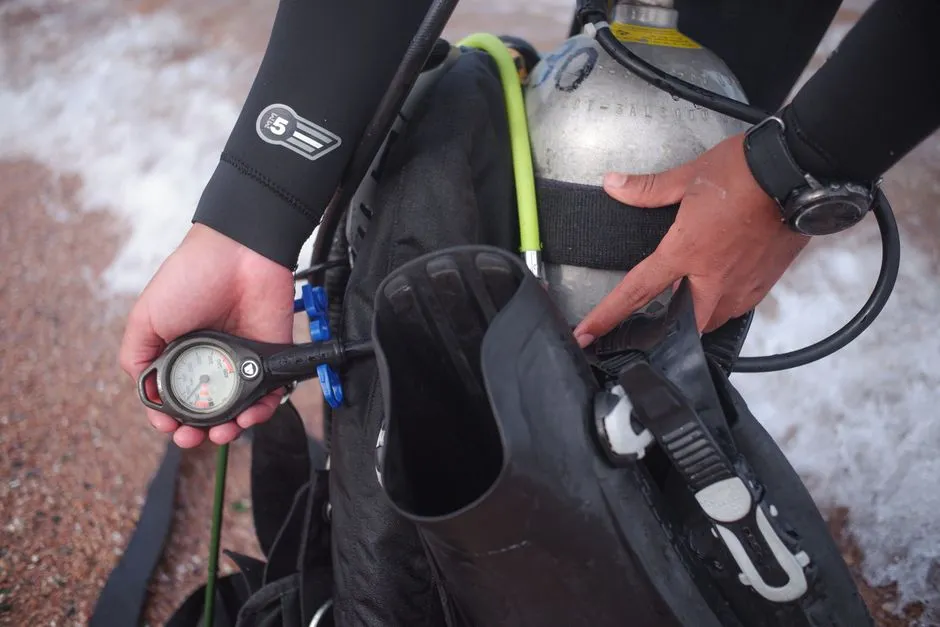
Diving Nusa Penida as a Day Trip: The Short Version
You can dive Nusa Penida's headline sites — Manta Point, Crystal Bay, and the drift walls at Toyapakeh and Blue Corner — as a day trip from mainland Bali without ever sleeping on the island. A dive operator picks you up from your Bali hotel in the early morning, drives you to Sanur, and either loads you onto a dedicated dive boat that crosses directly to the sites or ferries you across to Nusa Penida first. You get two to three dives, then you're back on the mainland by late afternoon or early evening.
It's the most common way divers experience Nusa Penida, and for a lot of trips it's the right call. But it's a long day, the crossing is exposed, and the sites themselves demand respect. Here's exactly how the logistics work, what a realistic day looks like, and when it's worth staying on the island instead.
Two Ways the Day Trip Actually Runs
Not all "Nusa Penida day trips" are the same operation. There are two distinct models, and knowing which one you've booked matters for timing, comfort, and cost.
Direct dive boat from Sanur
The most efficient version: a purpose-built dive boat (usually a fast fiberglass boat with an outboard or a small liveaboard-style vessel) departs from Sanur beach and runs straight to the dive sites. You gear up on the boat, dive from it, and surface intervals happen on board. This skips the public fast-boat terminal and any land transfer on Nusa Penida entirely.
- Best for: divers who want maximum water time and minimum shuffling.
- Trade-off: you're on a boat for surface intervals, which some people find rougher, especially in choppier months.
Fast boat across, then dive from Nusa Penida
The other model uses a scheduled public fast boat (the same ones tourists take) from Sanur to Toyapakeh or Banjar Nyuh harbor on Nusa Penida — a 30 to 45 minute crossing. A local dive center meets you, kits you up, and runs the dives from a smaller local boat launched off the island. You return on an afternoon fast boat.
- Best for: slightly cheaper trips, and pairing diving with a look at the island.
- Trade-off: more transfers, tighter dependence on the public boat schedule, and a fixed return time that can cut your diving short.
Ask any operator which model they use before booking. A vague answer is a red flag.
A Realistic Day-Trip Timeline
Here's how a typical direct-boat day unfolds from a South Bali hotel. Times shift with your pickup location and sea conditions.
| Time | What happens |
|---|---|
| 6:00–7:00 am | Hotel pickup in Seminyak, Canggu, Sanur, or Ubud |
| 7:30 am | Arrive Sanur, paperwork, tea, gear sizing |
| 8:00 am | Boat departs; crossing 30–60 min depending on model |
| 9:00 am | Dive 1 (often Manta Point or a wall, current-dependent) |
| 10:30 am | Surface interval, snacks, hydration |
| 11:15 am | Dive 2 (Crystal Bay, Toyapakeh, or Blue Corner) |
| 12:45 pm | Lunch — on board or on the island |
| 1:30 pm | Optional Dive 3 for advanced divers |
| 3:00 pm | Return crossing to Sanur |
| 4:00–5:30 pm | Land transfer back to hotel |
If you're staying in the far north or west of Bali (Tulamben, Amed, Pemuteran), a Nusa Penida day trip is impractical — the drive to Sanur alone can top two to three hours each way. Base yourself in Sanur, Denpasar, or the southern beach towns if the Nusa sites are a priority.
Which Sites You'll Actually Dive
The dive team chooses sites on the day based on tide, current, and swell — you don't get to pick a fixed itinerary, and you shouldn't want to. The four regulars:
- Manta Point (Manta Bay): A cleaning and feeding station on the exposed south coast where reef mantas cruise year-round. Surge and cooler, greener water are normal here. See our full Manta Point guide for what the dive involves.
- Crystal Bay: The prime spot for the elusive mola mola (oceanic sunfish), which rise from deep water in the cooler season. Famous for thermoclines and, in the wrong conditions, downcurrents.
- Toyapakeh: A gentler, high-visibility drift over healthy coral in the channel between Penida and Ceningan — often the most relaxing dive of the day.
- Blue Corner & SD Point: Fast, advanced drift dives with strong, sometimes vertical currents. Not beginner terrain.
Seasonal wrinkle: manta vs. mola timing
Mantas show up all year but tend to be most reliable during the wetter months when plankton is thick. Mola mola sightings cluster roughly July through October, when colder upwelling water pushes them shallow. You rarely optimize for both on the same trip — decide which animal you're chasing before you book, and read up on the tradeoffs in trip planning.
Certification and Experience: Be Honest
Nusa Penida is not a place to fake your comfort level. The currents here are the real deal, and the difference between a magical dive and a genuine emergency is often just experience and honest self-assessment.
- Open Water divers can dive the calmer sites (Manta Point on a good day, Toyapakeh) with a competent guide and a small group. Many operators cap depth and pick benign sites for newer divers.
- Advanced Open Water or equivalent, plus recent experience, is what you want for Crystal Bay, Blue Corner, and any dive where downcurrents are possible.
- Rustiness matters more than your card. If you haven't dived in a year, say so. A reputable operator will suggest a check dive or steer you to gentler sites rather than dropping you into a ripping drift.
Good buoyancy, comfort with negative entries (deflating and dropping fast as a group to beat surface current), and the discipline to stay with your guide are non-negotiable. If any of that sounds unfamiliar, it's a sign to build experience first. The currents deserve their own deep read — see our Nusa Penida currents safety guide before you go.
What It Costs
Prices vary widely by operator, group size, and whether gear and transfers are included, and they shift year to year — treat these as realistic ballparks, not quotes.
| Item | Typical range (per person) |
|---|---|
| 2-dive day trip from Sanur | $110–$180 |
| 3-dive day trip | $140–$220 |
| Full gear rental (if not included) | $15–$35 |
| Private hotel transfer (South Bali) | often included; $20–$50 if not |
| Nitrox (where offered) | $10–$25 per day |
Cheaper isn't better here. The premium on a well-run Nusa Penida operator buys you smaller groups, guides who know the sites cold, oxygen and first-aid on board, and current-management that keeps a bad situation from becoming a headline. Skimp on the crossing, not on the dive team.
Choosing a Reputable Operator
The single most important decision you make. Look for:
- A recognized training-agency affiliation (PADI, SSI, or similar) and current insurance.
- Small guide-to-diver ratios — ideally 1:4 or better on the challenging sites.
- Emergency oxygen and a first-aid kit visibly on the boat, plus a stated plan for the nearest recompression chamber (Sanur/Denpasar).
- Honest gatekeeping. An operator who asks about your certification, logged dives, and recent experience — and is willing to say no to Crystal Bay — is protecting you.
- Realistic group management, including surface marker buoys, a roll call, and a guide who briefs the current plan thoroughly.
Read recent reviews specifically mentioning currents and safety, not just manta photos. If you're weighing whether to base yourself on the island instead, our Nusa Penida vs. Nusa Lembongan comparison breaks down the options.
Day Trip vs. Staying on the Island
The day trip wins on convenience if Nusa is one stop in a broader Bali dive itinerary. But staying overnight on Nusa Penida or Lembongan has real advantages:
- Earlier, calmer dives. Local boats reach Manta Point before the day-trip fleet arrives, meaning fewer divers and often better conditions.
- No two-hour bookend transfers. Your surface interval is a nap, not a car ride.
- Flexibility across days. Multiple dive days let the team chase the right conditions for mola or mantas rather than forcing it into one shot.
- Downside: island infrastructure is thinner, roads are rough, and the nearest chamber is still back on mainland Bali.
A rough rule: if you want one taste of Nusa Penida, day-trip it. If the Nusa sites are the reason you're diving Bali, give them two or three days on the island.
Practical Packing and Prep
- Motion sickness: the crossing is exposed. Take medication before departure if you're prone to it.
- Sun and hydration: long day, strong equatorial sun, salt and wind. Bring water, reef-safe sunscreen, and a hat for surface intervals.
- A 3mm to 5mm wetsuit: Crystal Bay's thermoclines can drop water temps into the low 20s°C (low 70s°F) even when the surface is warm.
- No-fly buffer: finish diving with a comfortable surface interval before any onward flight — plan at least 18–24 hours, more after multiple days of diving.
- Certification card and logbook: operators will want to see them, and your logbook backs up your experience claims.
Dive Nusa Penida on its terms — good operator, honest about your limits, currents respected — and the day trip delivers some of the most thrilling diving in Indonesia and gets you home for dinner in Bali.