Are There Sharks in Bali? What Divers Actually See
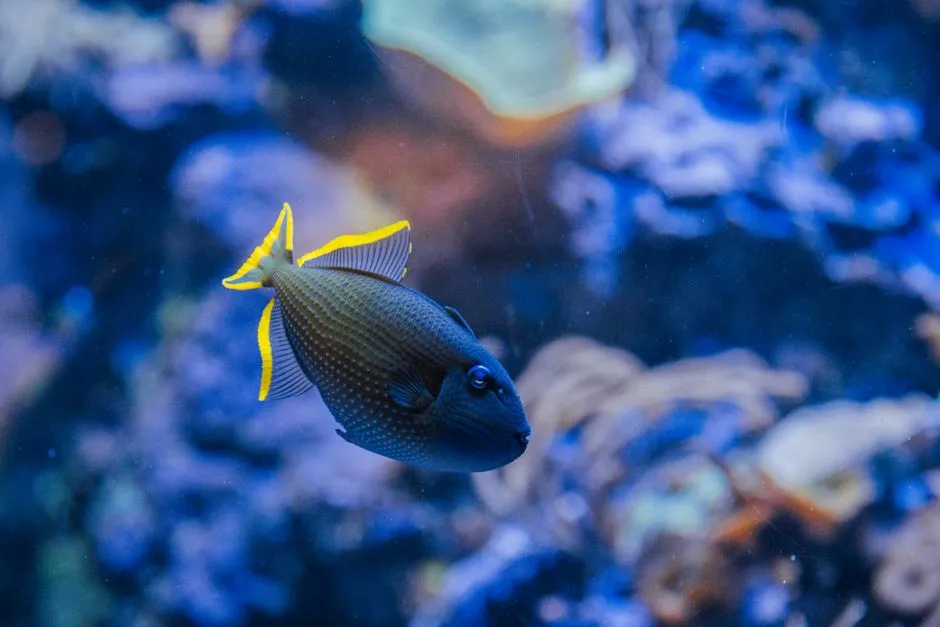
Yes, there are sharks in Bali — and that's good news for divers
Bali's reefs hold sharks, but not the ones most people picture. What you'll actually meet underwater are white-tip reef sharks, black-tip reef sharks, and, in the right season and depth, the occasional grey reef shark or bamboo shark tucked under a ledge. These are shy, reef-associated species that spend far more energy avoiding you than noticing you. Bali has no record of an unprovoked fatal shark attack on a diver, and encounters are treated as a highlight of a dive, not a hazard.
If you're weighing whether sharks make Bali diving risky, the honest answer is that the currents around the Nusa islands are a far bigger consideration than any shark. Below is what lives here, where you'll see it, and why the fear rarely matches the reality.
Which sharks live in Bali's waters
Bali sits on the western edge of the Coral Triangle, so its shark line-up leans toward small, reef-dwelling species rather than the large pelagic predators of open ocean. Here's what divers realistically encounter.
| Species | Typical size | Where you'll see it | How often |
|---|---|---|---|
| White-tip reef shark | 1.2–1.6 m | Nusa Penida, Menjangan, Tulamben deeper reef | Common |
| Black-tip reef shark | 1.0–1.5 m | Shallow reef flats, Menjangan, Nusa islands | Occasional |
| Grey reef shark | 1.5–1.9 m | Deeper Nusa Penida walls, current-swept points | Uncommon |
| Bamboo / wobbegong (walking shark) | 0.7–1.2 m | Muck sites, night dives, under ledges | Occasional, mostly at night |
| Whale shark (seasonal, plankton feeder) | 4–8 m+ | East Java crossings, rare Bali sightings | Rare |
White-tip reef sharks are the classic Bali sighting. They rest motionless on sandy patches or under coral overhangs during the day — unlike many sharks, they don't need to swim to breathe — so you'll often spot one parked beneath a ledge on a Nusa Penida wall. Black-tips patrol shallow reef edges and are easily identified by the black smudge on the dorsal fin tip. Both are timid and will usually move off if you approach directly.
The larger, more famous sharks — tigers, bulls, great whites — are not part of normal Bali diving. They are not resident on these reefs, and sightings are so rare they don't factor into any realistic risk picture for recreational divers.
Where to see sharks in Bali
Sharks turn up across many Bali sites, but a few places give you the best odds.
Nusa Penida and the Nusa islands
The walls and drift dives around Nusa Penida are your most reliable bet for white-tips and the occasional grey reef shark, especially at deeper, current-swept points where cooler, nutrient-rich water pulls in life. These are the same conditions that make the region world-class for mantas and mola mola — but they also demand respect. Read our guide to Manta Point, Nusa Penida for a sense of how these dives run, and treat the Nusa Penida currents safety guide as essential reading before you book.
Menjangan Island
In the calm, protected waters of Menjangan off Bali's northwest tip, black-tip and white-tip reef sharks patrol the drop-offs. The gentle conditions here make it one of the more relaxed places to watch sharks without fighting current.
Tulamben and the east coast
The deeper reef beyond the famous USAT Liberty wreck occasionally turns up resting white-tips, while night dives on the east coast's black-sand slopes are where you might find a bamboo shark or a well-camouflaged wobbegong. For the full range of sites and how they rank by skill level, see our best dive sites in Bali overview.
Are sharks in Bali dangerous to divers?
For a certified diver behaving sensibly, the risk from Bali's sharks is very low. The species here are small, non-aggressive, and reef-bound. The scientific and diving consensus is consistent: reef sharks show no interest in divers as prey, and the overwhelming majority of encounters end with the shark simply swimming away.
That said, a shark is still a wild animal, and a handful of habits keep encounters calm:
- Never feed, chase, or corner a shark. Feeding conditions animals to associate divers with food and is widely discouraged by responsible operators.
- Keep a respectful distance and let the animal control the encounter. If it wants to come closer, that's its choice — don't reach out or grab.
- Avoid cornering a resting white-tip under a ledge; give it an open exit route.
- Stay calm and horizontal. Erratic surface thrashing is what reads as "distressed prey" to any predator; a settled diver reads as a large, uninteresting object.
- Mind spearfishing and bleeding catch, which are the real, rare triggers for defensive behaviour — none of which apply on a normal recreational dive.
The genuine hazards of Bali diving are almost entirely about water movement, not wildlife. Downcurrents and washing-machine surge around Nusa Penida's exposed points have caught out under-prepared divers, which is why site choice and operator quality matter far more than any shark. Diving within your certification level and following your guide's briefing removes almost all of it.
What about surfers and swimmers?
Bali's surf breaks and beaches see millions of visitors a year with an exceptionally low rate of shark incidents. The reef sharks that occur here don't target humans, and Bali is not a hotspot for the large coastal species involved in incidents elsewhere. Ocean swimming and surfing in Bali carry real risks — powerful rip currents and reef being the main ones — but sharks are far down the list.
Best time and conditions for shark sightings
There's no dramatic "shark season" in Bali the way there is a manta or mola mola season, but a few factors improve your odds:
- Dry season (roughly April–November) brings better visibility and calmer logistics, making it easier to see and reach the deeper Nusa Penida sites where sharks concentrate.
- Cooler, current-rich water around the Nusa islands draws in more marine life generally, sharks included. This is the same upwelling that peaks the mola mola sightings in the middle of the year.
- Early dives on quieter reefs increase the chance of catching resting white-tips before boat traffic and diver numbers build up.
- Night dives are your window for bamboo sharks and walking sharks, which shelter during the day and become active after dark.
Prices for guided fun dives that reach these sites generally run in the range of US$40–90 per two-tank day trip depending on region and operator, with Nusa Penida day trips at the higher end because of the boat logistics. Costs vary widely by season, group size, and inclusions, so treat that as a planning ballpark rather than a quote.
How to dive with sharks responsibly
Seeing a shark on a Bali reef is a privilege, and a few principles keep it that way for the animals and the divers who follow you:
- Get properly certified and dive within your limits. The sites that hold sharks — deep Nusa Penida walls in particular — are not beginner terrain. Build the experience first.
- Choose a reputable, licensed local operator who briefs currents thoroughly, runs sensible group sizes, and doesn't bait wildlife for a show.
- Perfect your buoyancy. Good control means you can hover and observe without crashing into coral or spooking a resting shark.
- Follow the day's local knowledge. Conditions around the Nusa islands change fast, and your guide's read of the current on the day always overrides anything you planned in advance.
- Log the encounter, not a trophy. Photograph respectfully from a distance and leave the reef exactly as you found it.
If you're still building toward these dives, our marine life guides cover the other headline animals — mantas, mola mola, and macro critters — so you can plan a trip around what you most want to see.
The bottom line
There are sharks in Bali, and encountering one is one of the quiet thrills of diving here — not a reason to stay out of the water. The species you'll meet are small, shy reef sharks that pose minimal risk to a sensible diver. Focus your caution where it belongs: on getting certified, choosing a good operator, and respecting the currents that give these reefs their life in the first place. Do that, and a white-tip cruising a Nusa Penida wall becomes exactly what it should be — a memory, not a scare.